







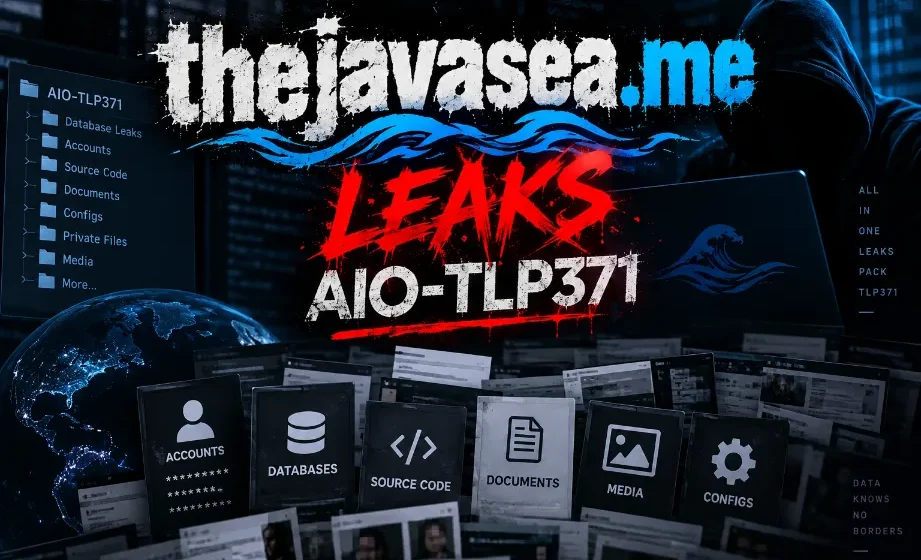
TheJavaSea.me Leaks AIO-TLP371: Everything You Need to Know
Thejavasea.me leaks aio-tlp371 is a keyword that has attracted curiosity among internet users searching for information about unfamiliar websites, unusual file names, and alleged online leaks. People searching for this term may want to understand what AIO-TLP371 refers to, whether the information is genuine, and what risks it might involve. Although the keyword is associated with discussions about leaked material, its exact meaning and origin remain unclear. Understanding the available information carefully can help readers separate verified facts from online rumors.
What Is TheJavaSea.me Leaks AIO-TLP371?
The phrase thejavasea.me leaks aio-tlp371 appears to refer to an alleged collection of digital files or information associated with TheJavaSea.me. The term has attracted attention because people often search for unfamiliar identifiers when they come across them in online discussions. However, there is not enough reliable information to establish exactly what AIO-TLP371 contains or how the label originated. It would therefore be inaccurate to describe the collection as a confirmed database, a verified security breach, or a proven source of personal information.
Part of the confusion comes from the way leak-related topics spread across the internet. A website may publish an explanation, another may repeat it, and readers may eventually mistake repeated claims for confirmed facts. This does not mean every report is false, but it does mean the available evidence deserves a closer look. Anyone researching this keyword should focus on what can actually be established rather than accepting every description at face value. That approach makes it easier to understand the subject without spreading misleading information.
What Does AIO-TLP371 Actually Mean?
The name AIO-TLP371 sounds technical, but its complete meaning has not been reliably established in this particular context. In everyday technology terminology, AIO often stands for “all-in-one.” The abbreviation can describe software packages, collections of tools, or products that bring several functions together. However, that general definition does not prove that AIO has the same meaning in this case. The remaining characters, TLP371, also lack a verified explanation connected to the alleged material.
It is tempting to assume that a number in a file name identifies a release, version, or specific data collection. Sometimes that is true, but there is no reliable basis for making that conclusion here. The identifier does not tell readers how many files might be involved, whether the material is authentic, or whether anyone’s private information has been exposed. Until trustworthy documentation becomes available, the most accurate approach is to treat AIO-TLP371 as an unexplained identifier rather than assign it a definite technical meaning.
Why Are People Searching for This Keyword?
People often search for unfamiliar leak-related terms because they want to understand what they have encountered online. Some may have seen the phrase in a forum or an article, while others may be concerned about reports involving digital privacy. When different sources offer conflicting explanations, curiosity naturally grows. The words “leaks” and a technical-looking identifier can also make a topic sound more serious than the available evidence supports. As a result, a keyword may receive attention before its background has been properly established.
There is also a practical reason why these topics interest readers. Most people now depend on online accounts for email, shopping, entertainment, education, and communication. News about a possible leak can make anyone wonder whether their personal information is safe. That concern is understandable, but it is important to distinguish general security risks from claims about a specific incident. In the case of thejavasea.me leaks aio-tlp371, the exact nature of the alleged material remains uncertain, even though the wider subject of online privacy is worth understanding.
Is TheJavaSea.me Leaks AIO-TLP371 a Real Data Breach?
One of the main questions surrounding this keyword is whether it represents an actual data breach. A confirmed breach generally requires evidence showing that information was accessed, disclosed, or obtained without authorization. Reliable technical research, an official statement, or a credible investigation can help establish what happened. In this case, the available information does not provide a sufficiently verified account of the source, contents, or scope of AIO-TLP371. For that reason, it would be misleading to claim that a particular company or group of users has definitely been affected.
This uncertainty is important because inaccurate reports can cause unnecessary panic. A headline might suggest that passwords, personal records, or private messages have been exposed, but such claims need evidence. Readers should look for specific details and check whether the source explains how its conclusions were reached. If an article simply repeats statements from other websites without independent confirmation, its claims deserve caution. Until stronger evidence establishes the facts, AIO-TLP371 should be discussed as an alleged leak-related topic rather than a verified security incident.
Possible Risks of Visiting Leak-Related Websites
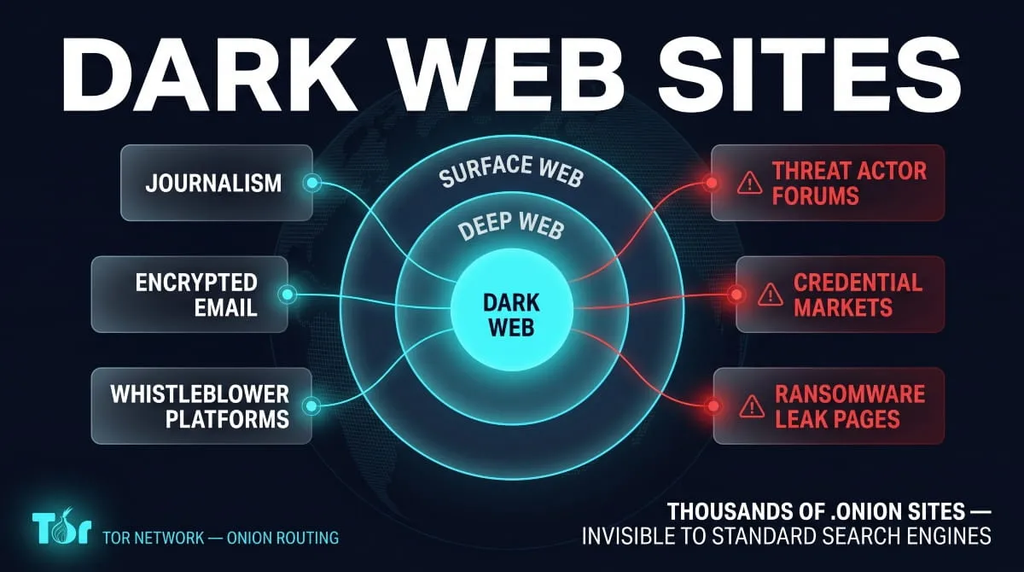
Suspicious Files and Malware
One of the biggest risks associated with unfamiliar websites is the possibility of malicious downloads. A file may appear to be a document, an archive, or a useful application while containing software designed to harm a device. Depending on the program, it could steal information, monitor activity, or interfere with normal computer functions. Not every unfamiliar website distributes malware, but a professional-looking file name is not proof that a download is safe. Avoid opening suspicious attachments or downloading unknown packages simply because a keyword is attracting attention.
Password and Account Security
Passwords are another important concern whenever online leaks are discussed. If login details are exposed in a genuine incident, criminals may try using them on other websites. This becomes especially dangerous when someone uses the same password for email, social media, and shopping accounts. There is no verified basis here to claim that AIO-TLP371 contains particular login credentials, but the general risk of password reuse is well established. Using different passwords for different services can help prevent one compromised account from putting several others at risk.
Phishing and Fake Security Warnings
Some online scams use the fear of a data leak to trick people into revealing private information. A message might claim that an account has been exposed and urge the recipient to click a link immediately. The link may lead to a fake login page designed to collect passwords or authentication codes. If you receive an unexpected warning about thejavasea.me leaks aio-tlp371, take a moment to verify it independently. Visit the relevant service through its official website or application instead of trusting links supplied in suspicious messages.
Privacy and Personal Information
Leaked information can create problems even after the original incident has passed. Personal details may be copied, redistributed, or used to impersonate someone. In some situations, exposed information can also contribute to harassment, fraud, or unwanted contact. This is why it is important to respect privacy and avoid sharing material that may have been obtained without permission. Downloading or distributing such information may also create legal concerns, depending on the content and the laws that apply. Curiosity about a keyword is not worth putting someone else’s privacy at risk.
How to Protect Yourself From Online Leaks
You do not need to visit a suspicious website to take better care of your online security. Start by reviewing the passwords you use for important accounts, especially your primary email address. If you have reused a password across several services, replace it with a strong, unique one. A reputable password manager can make this easier. You should also enable two-factor authentication (2FA) wherever possible. This adds another layer of protection and can make it harder for someone to enter your account using only a stolen password.
It is also sensible to review recent login activity and pay attention to unexpected security alerts. If you believe an account has been compromised, change its password and follow the service’s official recovery instructions. Reputable breach-notification services may help you check whether your email address appears in known incidents, although no service can identify every possible leak. Most importantly, never provide your password or verification code to an unfamiliar website promising access to leaked information. A genuine security check should not require you to hand your credentials to an unknown party.
How to Check Whether Online Claims Are Trustworthy
When researching thejavasea.me leaks aio-tlp371, start by looking at the source of the information. Does the article provide evidence, identify a credible researcher, or refer to an official statement? Does it explain what is known and what remains uncertain? These details matter more than a dramatic headline. A useful report should help readers understand the facts instead of relying on frightening language to attract clicks. If a website makes strong claims without explaining its evidence, it is better to remain cautious than to assume the claims are true.
It is also worth checking whether several articles provide independent information or simply repeat the same original claim. Ten websites repeating one unsupported statement do not necessarily make that statement reliable. The same principle applies to social media posts and online discussions, where information can spread quickly without proper verification. Readers should be willing to accept that some questions have no clear answer yet. In cybersecurity, acknowledging uncertainty is more responsible than inventing details to fill gaps in the available information.
Conclusion
The keyword thejavasea.me leaks aio-tlp371 has raised questions about an alleged digital collection, but its precise meaning and connection to a confirmed security incident remain unclear. Rather than relying on online rumors, readers should look for trustworthy evidence and be careful with websites offering unfamiliar files. The broader lesson is simple: protecting personal information requires consistent habits, not panic over every trending keyword. Strong passwords, two-factor authentication, cautious browsing, and careful verification of security warnings can all help reduce common online risks. Staying informed while respecting privacy is the most sensible way to approach uncertain leak-related claims.
Frequently Asked Questions
1. What is thejavasea.me leaks aio-tlp371?
It is a search term associated with online discussions about an alleged leak-related collection linked to TheJavaSea.me. The exact contents, source, and authenticity of AIO-TLP371 have not been independently established.
2. Is AIO-TLP371 a confirmed data breach?
The available information is insufficient to confirm a specific data breach connected to this identifier. Claims about affected users, exposed passwords, or stolen records should not be treated as facts without reliable supporting evidence.
3. What does AIO-TLP371 stand for?
AIO commonly means “all-in-one” in general technology usage, but its meaning in this specific phrase has not been confirmed. The identifier TLP371 also lacks a verified explanation in this context.
4. Is it safe to download files from leak-related websites?
Unknown downloads can contain malware or lead to other security risks. It is safer to avoid suspicious files, keep your device updated, and never share personal credentials with unfamiliar websites.
5. How can I protect my information from online leaks?
Use strong, unique passwords, enable two-factor authentication, review account activity, and verify unexpected security warnings through official channels. If an account appears compromised, change its password and follow the provider’s recovery process.