







Zeebo Cow: Amazing Facts, Unique Features, Popular Breeds, and Uses
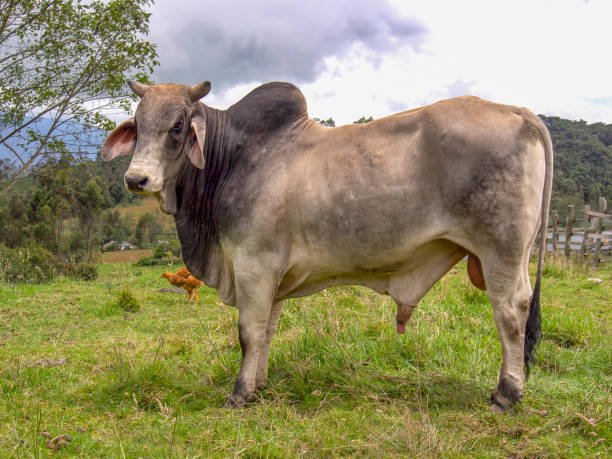
The zeebo cow is a term people use when searching for information about a distinctive type of cattle commonly known as the zebu cow. These animals are easy to recognize because of the hump above their shoulders and the loose skin hanging beneath their necks. They have a long history in South Asian agriculture, where farmers have relied on them for milk, meat, breeding, and other farming activities.
What makes zebu cattle interesting is their ability to adapt to warm climates. They are raised in many regions where high temperatures can make livestock farming difficult. Although people sometimes think all zebu cattle are alike, different breeds have different sizes, appearances, and production abilities. Learning about their characteristics and daily needs helps explain why these animals remain important to farmers around the world.
What Is a Zeebo Cow?
A zeebo cow, more commonly spelled zebu cow, is a type of domestic cattle associated with South Asia and other tropical regions. Zebu cattle are commonly classified as Bos indicus. Their most recognizable feature is the raised hump over the shoulders, which gives them a different appearance from many European cattle breeds.
The word zebu describes a group of cattle rather than one specific breed. Some varieties are raised mainly for milk, while others are valued for meat production or their ability to perform well in local farming conditions. Their appearance also varies, with differences in coat color, horn shape, body size, and ear length. For this reason, identifying a particular zebu breed requires more than simply looking at the animal’s hump.
Where Did Zebu Cattle Originate?
Zebu cattle have deep roots in South Asia, where they have been part of rural life for generations. Farmers raised these animals because they were useful for everyday agricultural needs and could adapt to the conditions found in many local farming areas. Over time, cattle breeding and trade helped spread zebu animals and their descendants to other warm regions.
Today, zebu cattle are found in parts of Asia, Africa, and the Americas. Their characteristics have also influenced the development of other cattle breeds through crossbreeding. Farmers and breeders have used zebu ancestry to develop animals suited to particular environments and farming goals. This long history shows that the zebu is not just an unusual-looking animal but an important part of livestock agriculture.
Physical Appearance and Special Features
The first thing most people notice about a zeebo cow is its shoulder hump. The hump is often more prominent in mature males, although females also have one. Another recognizable feature is the dewlap, a loose fold of skin beneath the neck. Many zebu cattle have drooping ears, and some varieties have long, curved horns, although these features differ between breeds.
Their coat colors can range from white and light grey to reddish brown and darker shades. Some animals have a compact build, while others are larger and more muscular. Body size depends on the breed, age, sex, and genetics. These differences are worth understanding because a zebu cow raised for dairy production may look quite different from a variety selected mainly for beef production.
Why Are Zebu Cows Suitable for Hot Climates?
One reason zebu cattle are widely raised in tropical regions is their ability to cope with heat. Their inherited characteristics make them useful in environments where high temperatures can affect livestock performance. This adaptability has helped them become established in many parts of South Asia and Africa, where farmers often need animals suited to warm weather.
Still, heat tolerance does not mean these cattle can be left without proper care. They need fresh drinking water, adequate nutrition, and access to shade, particularly during the hottest part of the day. Extreme heat can affect appetite, reproduction, and milk production. Farmers who provide suitable shelter and monitor their animals regularly can help reduce heat-related problems and maintain a healthier herd.
What Do Zeebo Cows Eat?
The diet of a zeebo cow mainly consists of grass, leaves, hay, and other suitable plant materials. Like other cattle, zebu animals are ruminants. Their digestive system contains a rumen, where microorganisms help break down fibrous vegetation. This allows them to obtain nutrients from grasses and other forage that would be difficult for humans to digest.
Depending on the animal’s condition and purpose, farmers may also provide silage, crop residues, mineral supplements, or balanced cattle feed. A pregnant cow, a growing calf, and a lactating female do not necessarily have the same nutritional requirements. Good feeding practices help maintain body condition, support reproduction, and improve milk production where dairy breeds are used. Clean water is equally important throughout the year.
Milk Production and Dairy Farming
Zebu cattle are used for dairy farming, but their milk production varies from one breed to another. Genetics, feeding, age, health, and management all influence how much milk a cow can produce. Some zebu varieties have been selected for dairy purposes over many generations, while others are better suited to different agricultural uses.
Sahiwal and Red Sindhi are two well-known South Asian cattle breeds valued for their dairy potential. Both have a long association with farming in the region. Farmers considering these animals should look at reliable breed information and local milk-production records rather than assuming that every zebu cow will provide the same results. Proper nutrition, clean housing, and regular veterinary care also play an important role in maintaining milk production.
Popular Types of Zebu Cattle
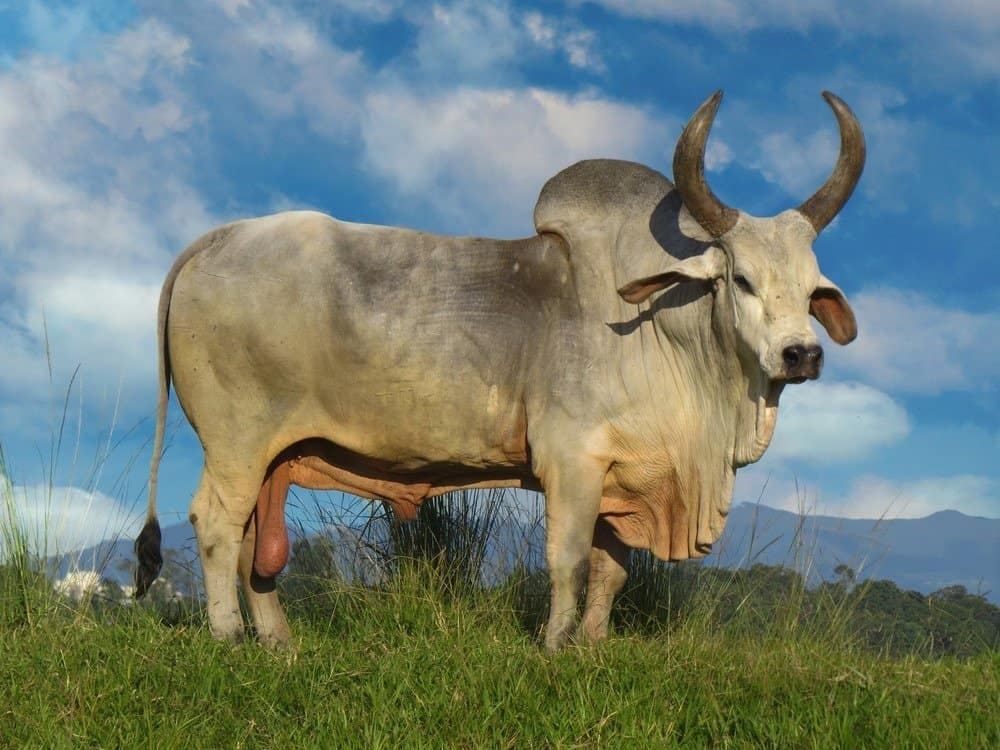
There are several zebu breeds, and each has characteristics that make it suitable for particular farming conditions.
Sahiwal: Sahiwal cattle originated in the South Asian region and are valued for their milk-producing ability. They are an important option for farmers looking for dairy cattle suited to warm climates.
Red Sindhi: This breed is recognized by its reddish coat and its importance in dairy farming. It originated in the Sindh region and is well known in South Asian livestock agriculture.
Brahman: Brahman cattle were developed in the United States using zebu ancestry. They are widely associated with beef production and are valued for their performance in warm environments.
Miniature Zebu: These smaller cattle are sometimes kept by hobby farmers and smallholders. Their compact size can make them appealing where space is limited, although they still require appropriate feeding, housing, and veterinary care.
Choosing a breed depends on the farmer’s budget, available land, local climate, and intended use of the animal.
Meat Production and Other Farming Uses
Although some zebu breeds are valued for milk, others are raised for meat production. Their suitability for beef farming depends on their genetics, body development, feeding program, and local market demand. Certain zebu-derived breeds are also used in crossbreeding programs to introduce characteristics that can be useful in warm-climate livestock production.
These cattle can contribute to farm life in other ways as well. Their manure can be used as a soil amendment when handled and applied appropriately. In some communities, cattle also have a role in traditional agricultural work. For small farming households, livestock can provide several useful resources rather than serving just one purpose.
Breeding and Raising Healthy Calves
Zebu cows reproduce in much the same way as other domestic cattle. A healthy female can become pregnant through natural mating or artificial insemination after reaching reproductive maturity. The pregnancy usually lasts around nine months, although the exact duration can vary. Good nutrition and suitable breeding management help support the cow throughout pregnancy.
Farmers should choose breeding animals carefully, paying attention to health, fertility, and the characteristics they want to improve in future generations. Once a calf is born, it needs appropriate feeding, a clean environment, and protection from illness. Regular observation can help farmers notice early signs of health problems and arrange veterinary care when needed.
Health and Daily Care
Even though zebu cattle are known for their adaptability, they still need regular attention. Fresh water, suitable feed, clean resting areas, and enough space for movement are basic requirements. Veterinary checkups, appropriate vaccinations, and parasite control can help prevent common health problems. The exact care routine should be based on local veterinary advice and the conditions in which the cattle are raised.
Farmers should also pay attention to changes in behavior. A cow that suddenly stops eating, moves unusually, or produces less milk may need medical assessment. During hot weather, providing shade and avoiding unnecessary handling during peak temperatures can improve comfort. Consistent care helps protect animal welfare and supports the long-term productivity of the herd.
Advantages and Challenges of Raising Zebu Cattle
One major advantage of zebu cattle is their ability to adapt to many warm environments. Depending on the breed, they can provide milk, contribute to meat production, and serve as breeding animals. Their suitability for local conditions can make them a practical choice for farmers who need cattle that perform well in tropical climates.
However, raising a zebu cow still requires planning and investment. Milk production differs between breeds, and not every animal is suitable for a high-output dairy business. Feed, veterinary treatment, breeding, housing, and transport can all affect the cost of livestock farming. Before buying cattle, farmers should compare local breeds and consider which animals best match their available resources and business goals.
Frequently Asked Questions
1. What is a zeebo cow?
A zeebo cow most likely refers to a zebu cow, a type of domestic cattle recognized by its shoulder hump and loose skin beneath the neck. These animals are raised for different agricultural purposes, including milk, meat, and breeding.
2. Is zeebo cow the correct spelling?
The standard English spelling is zebu cow. Zeebo is a spelling variation people may use when searching online. Using the word zebu will generally help you find more accurate information about the animal and its breeds.
3. How much milk does a zeebo cow produce?
Milk production depends on the breed, genetics, nutrition, health, and management. Breeds such as Sahiwal and Red Sindhi are valued for dairy production, but the amount of milk varies between individual animals and farming conditions.
4. Can zeebo cows live in hot weather?
Yes, zebu cattle are generally well adapted to warm climates. However, they still need clean water, suitable feed, shade, and proper shelter. Very high temperatures can affect their health and productivity if their needs are not met.
5. What is the main benefit of a zeebo cow?
The main benefit is its suitability for many warm farming environments. Depending on the breed, a zebu cow can provide milk, contribute to meat production, and support livestock breeding. Its usefulness depends on proper care and the farmer’s goals.
Conclusion
The zeebo cow, commonly known as the zebu cow, is an important type of cattle with a long history in agriculture. Its distinctive hump, loose skin, and adaptability to warm climates make it easy to recognize. Different zebu breeds serve different purposes, from dairy farming to meat production, and their value depends on their individual characteristics and the conditions in which they are raised.
For anyone interested in keeping these animals, choosing the right breed is only the beginning. Good nutrition, clean water, suitable shelter, and regular veterinary care are essential for maintaining a healthy herd. Understanding these practical requirements helps farmers make informed decisions and explains why zebu cattle continue to play a valuable role in livestock farming.