







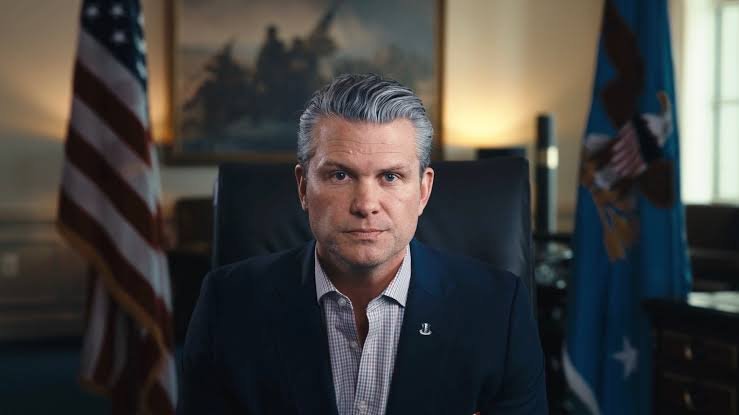
Pete Hegseth Chaplains: Key Changes in 2026
The subject of Pete Hegseth chaplains has become a major talking point in discussions about religion and the U.S. military. In 2026, Defense Secretary Pete Hegseth introduced changes to the military Chaplain Corps that affect how chaplains are identified and how religious affiliations are recorded. He says the goal is to bring the focus back to spiritual leadership and make it easier for chaplains to serve military personnel. However, the decisions have also raised questions about religious diversity and the place of faith in government institutions.
Military chaplains have an important job that often goes unnoticed outside the armed forces. They support service members during deployments, help families cope with difficult situations, and offer spiritual guidance when people face grief, fear, or personal struggles. For some military personnel, speaking with a chaplain provides comfort that is difficult to find elsewhere. This is why changes to the Chaplain Corps matter to people well beyond the Pentagon.
The discussion around Pete Hegseth chaplains is not simply about uniforms or paperwork. It is also about how the military can support religious service members without overlooking those who follow different beliefs or no religion at all. To understand the issue, it helps to look at Hegseth’s background, the changes he announced, and the different opinions surrounding his approach.
Who Is Pete Hegseth?
Pete Hegseth is an American political figure and former military officer who became U.S. secretary of defense in January 2025. He previously served in the Army National Guard, including overseas deployments, before building a career in television and political commentary. He became known for his views on national security, military culture, patriotism, and the role of traditional values in American society.
Hegseth has also spoken openly about his Christian faith. Since taking charge of the Pentagon, he has made religious belief and spiritual readiness part of his public discussion about military life. Supporters view this as a welcome recognition of the importance faith can have for service members. Critics, however, question how a defense secretary’s personal beliefs should influence an institution that includes people from many religious backgrounds. That disagreement is central to understanding the Pete Hegseth chaplains debate.
What Do Military Chaplains Actually Do?
Military chaplains are commissioned officers who provide religious ministry and spiritual care to members of the armed forces. Their work includes leading worship services, conducting religious ceremonies, offering pastoral counseling, and helping personnel find appropriate religious resources. During deployments, they may support troops dealing with separation from loved ones, difficult decisions, dangerous assignments, or the loss of fellow service members.
Their responsibilities also extend to people whose beliefs differ from their own. Chaplains can help personnel access suitable religious support and advise commanders about religious needs within their units. This makes the role more complicated than simply leading prayers or conducting services. A military chaplain must understand both the requirements of their faith tradition and the needs of a diverse group of people serving together under demanding conditions.
What Changes Did Pete Hegseth Make to the Chaplain Corps?
In March 2026, Hegseth announced two major changes affecting military chaplains. The first reduced the number of officially recognized religious affiliation codes from more than 200 to 31. The second directed chaplains to replace their rank insignia with religious insignia on designated operational uniforms. He presented both decisions as part of a broader effort to make the Chaplain Corps more focused on its religious responsibilities.
The changes attracted attention for different reasons. Supporters argued that a simpler system would make religious information easier to manage and that religious insignia would better represent a chaplain’s spiritual calling. Critics questioned whether reducing the number of affiliation categories would adequately represent smaller religious groups. Others expressed concern that removing rank insignia could create confusion about chaplains’ positions within the military hierarchy. The reforms have therefore become part of a wider debate about how the armed forces should organize religious support.
Why Were Religious Affiliation Codes Reduced?
Religious affiliation codes help the military record the religious identities of service members. This information can assist chaplains in planning services and understanding the religious needs of the people they support. Over time, the list grew to include more than 200 categories. Hegseth argued that the system had become unnecessarily complicated and that reducing it to 31 categories would make it more practical.
However, the decision also drew criticism because several identities, including atheists, Wiccans, and Unitarian Universalists, were not included in the revised list as separate categories. Critics argued that removing these designations could make some personnel feel less visible within the system. The Pentagon’s position has been that the revised codes are an administrative tool, not a judgment on the legitimacy of anyone’s beliefs. Even so, the way the system records religious identity matters because accurate information can help military leaders understand the needs of their personnel.
Why Are Chaplains Replacing Rank Insignia With Religious Insignia?
One of the most noticeable parts of the Pete Hegseth chaplains reforms involves military uniforms. Chaplains have traditionally displayed their military rank, along with insignia identifying their religious role. Under the new direction, rank insignia are being removed from designated working and operational uniforms and replaced with religious insignia. Hegseth has explained that the change is meant to make a chaplain’s spiritual role more visible.
His argument is that service members should feel comfortable approaching chaplains about personal matters, including faith, relationships, and addiction. Someone who is struggling may find it easier to start a conversation if the chaplain’s role as a spiritual adviser is immediately clear. However, some military observers have questioned whether removing visible rank could affect how chaplains are perceived by other officers. Importantly, chaplains do not lose their commissions or military rank simply because the insignia changes.
Why Have the Reforms Become Controversial?
The disagreement surrounding Pete Hegseth chaplains reflects a longstanding challenge for the U.S. military: supporting religious practice while respecting people who hold different beliefs. Supporters say faith can provide strength, purpose, and moral guidance, especially when military service involves difficult decisions and personal sacrifice. They believe chaplains should be able to provide religious ministry without unnecessary administrative barriers.
Critics worry that Hegseth’s strong emphasis on Christianity could make military personnel from other backgrounds feel overlooked. They also question whether the revised religious affiliation system adequately recognizes minority faiths and nonreligious identities. These concerns matter because service members work within a strict chain of command and should not feel pressured to follow a particular religion. A successful chaplaincy system needs to protect both the ability to practice faith and the freedom to decline religious participation.
What Is the Pentagon Office of Religious Affairs?
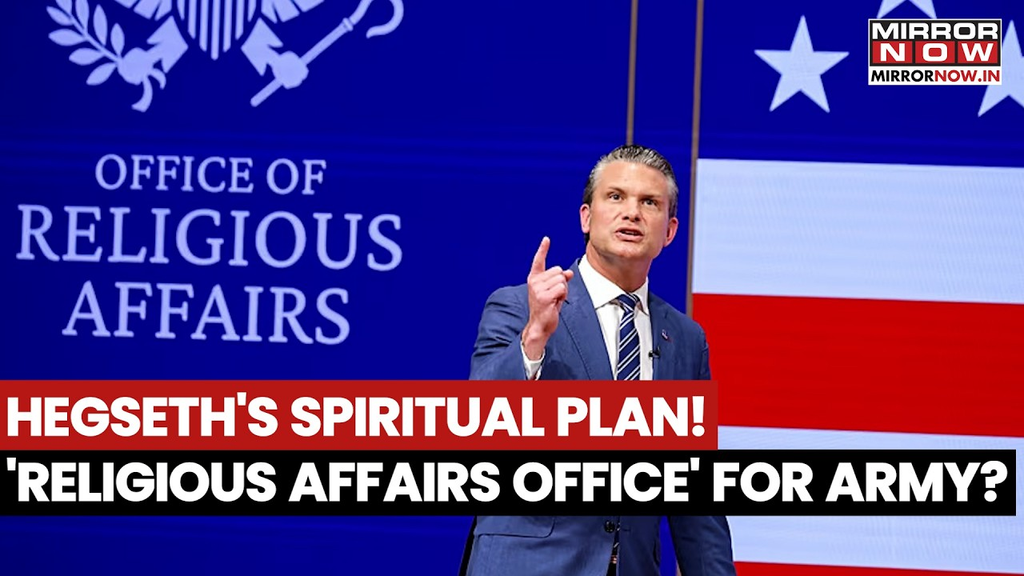
In October 2026, Hegseth announced a new Pentagon Office of Religious Affairs. The office is intended to advocate for chaplains, coordinate religious-affairs policies, and support spiritual readiness across the Department of Defense. It is designed to report directly to the defense secretary, giving religious support a more prominent place in Pentagon leadership.
The initiative reflects Hegseth’s view that military readiness includes more than physical preparation and technical training. For service members who draw strength from religion, spiritual support can be an important part of dealing with the pressures of military life. However, critics have questioned whether a new office under Hegseth could give Christianity greater influence over military policy. The Pentagon has said the office is not intended to compel religious participation or favor one faith over another. How well it meets that commitment will be important in judging its long-term impact.
How Could These Changes Affect Military Personnel?
The effects of the reforms may differ from one service member to another. People who regularly seek religious guidance may continue to benefit from worship services, counseling, and help arranging religious accommodations. The uniform change may also make the chaplain’s spiritual role more obvious to someone who needs support but feels uncomfortable approaching a senior officer.
For people whose beliefs are not clearly represented in the revised affiliation codes, the changes may create uncertainty about how their needs will be recorded. The codes are not the only way to request support, but they can influence how religious information is organized. Ultimately, military personnel need to know that their beliefs will be treated respectfully, regardless of whether they belong to a large religious tradition, a smaller community, or no religion at all. Clear procedures and fair treatment will be essential to maintaining trust.
Frequently Asked Questions
1. Who is Pete Hegseth, and why is he changing military chaplaincy?
Pete Hegseth is the U.S. secretary of defense and a former Army National Guard officer. He announced changes to the military Chaplain Corps in 2026, saying the reforms would simplify religious affiliation records and place greater emphasis on chaplains’ spiritual responsibilities.
2. What are the main Pete Hegseth chaplains reforms?
The main changes include reducing religious affiliation codes from more than 200 to 31 and replacing rank insignia with religious insignia on designated operational uniforms. In October 2026, Hegseth also announced a Pentagon Office of Religious Affairs.
3. Do military chaplains lose their rank under the new rules?
No. Chaplains retain their military rank and commissioned-officer status. The change concerns the insignia displayed on designated uniforms, not the elimination of their rank or their position within the armed forces.
4. Why are the Pete Hegseth chaplains reforms controversial?
The reforms have raised concerns about religious diversity, government neutrality, and whether minority religious groups will receive appropriate recognition. Supporters welcome the stronger emphasis on spiritual ministry, while critics stress the importance of equal treatment for all service members.
5. What does the Pentagon Office of Religious Affairs do?
The new office is intended to advocate for military chaplains, coordinate religious-affairs policies, and support spiritual readiness. It reports directly to the defense secretary, and its practical impact will depend on how its responsibilities are implemented.
Conclusion
The Pete Hegseth chaplains reforms have brought renewed attention to the role of religion in the U.S. military. Changes to religious affiliation codes, chaplains’ uniform insignia, and the creation of a Pentagon Office of Religious Affairs all reflect Hegseth’s desire to give spiritual leadership a more prominent role. Supporters believe these measures could make chaplaincy more focused and accessible, while critics remain concerned about religious diversity and the influence of Christianity within government institutions.
The real test will be how these policies affect service members in their everyday lives. Chaplains should be able to provide meaningful religious support, but military personnel must also feel respected regardless of their beliefs. Maintaining that balance will be essential to building a chaplaincy system that serves the entire armed forces fairly and effectively.